Fabric Sourcing & Material Selection
Fabric Sourcing & Material Selection for Apparel Brands
Fabric Sourcing for Clothing Brands Made Simple and Reliable
Every garment starts with a fabric decision.
The same design can look completely different depending on the material behind it. Weight, texture, stretch, structure, and finish all influence how a product feels once it reaches the customer.
At Ravel Apparel, fabric sourcing is part of product development from the beginning. We work with startups, private label brands, e-commerce businesses, and established apparel companies to identify materials that fit both the product concept and the production plan.
Some collections require softness and comfort. Others need durability, stretch, warmth, or performance features. There is no single fabric that works for every product.
Our role is to help brands make informed material decisions before sampling and production begin. This reduces guesswork, improves product consistency, and helps avoid costly changes later in development.
Whether you are launching a new collection or refining an existing product line, we help source fabrics that support both product quality and manufacturing scalability.
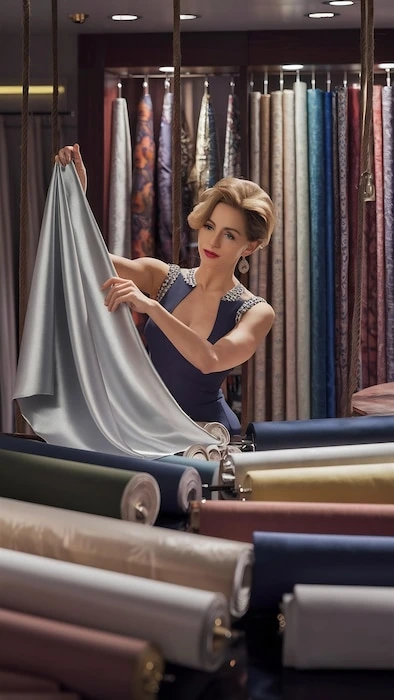
Why Fabric Selection Matters
The Foundation of Every Garment
Fabric selection influences every aspect of a finished product. It affects comfort. Every aspect of a final product is influenced by the choice of fabric. It has an impact on a brand's perception in the marketplace as well as comfort, durability, and look.
If the fabric does not serve the desired purpose, a strong design may lose its impact. Similarly, fit, performance, and overall product quality can all be enhanced by the appropriate material.
Key reasons fabric selection matters:
- Durability: The proper fabric keeps clothing structurally sound even after frequent washing and use.
- Comfort: The way clothing feels on the body is influenced by its texture, softness, and breathability.
- Brand positioning: From necessities to high-end collections, fabric selection conveys quality level.
- Product Performance: Movement and usability are affected by stretching, weight, and composition.
Fabric is more than just a material selection in clothing manufacturing. Long-term brand perception and customer experience are directly impacted by this product choice.
Fabric Categories We Work With
A Wide Range of Apparel-Ready Materials
We find and use a wide range of knit and woven materials appropriate for various clothing categories and manufacturing requirements.
Cotton Fabrics
Cotton's inherent ease and breathability make it a popular choice for daily clothing. T-shirts, baby clothes, loungewear, and casual necessities all frequently wear them. Both structural and lightweight applications are possible with different weights and finishes.
Fleece Fabrics
Sweatshirts and hoodies are examples of warmer clothing made of fleece. It is appropriate for streetwear and seasonal collections since it offers insulation without sacrificing the soft inner feel.
French Terry
Comfort and structure are balanced in French terry. Because of its breathable yet solid structure, it is frequently used in midweight clothing like joggers, hoodies, and athleisure sets.
Denim Fabrics
Denim sourcing encompasses a range of weights and finishes, including washed, stretched, and stiff denim. It is utilized for structured fashion items where durability is crucial, such as shorts, coats, and jeans.
Polyester Blends
Blends of polyester are frequently utilized in practical and performance clothing. They are appropriate for the manufacturing of sportswear and activewear because they provide strength, flexibility, and shape retention.
Activewear Fabrics
Stretch performance, moisture regulation, and mobility are all features of activewear materials. Technical sports collections, training gear, and gym attire all use these fabrics.
Rather than universal availability, each fabric category is chosen based on the type of garment, its intended usage, and its production needs.
Fabric Selection Process
A Structured Approach to Material Choice
Requirement Understanding
Fabric Recommendation
Sample Sourcing
Testing & Approval
Custom Fabric Development
When Standard Fabrics Are Not Enough
Certain brands have specific material requirements that aren't met by common fabric choices.
Custom fabric creation may be investigated in such circumstances. This entails addressing specifications like composition, texture, weight, or finishing.
Usually, custom development is employed for:
- Private label collections
- Premium fashion lines
- Performance-focused apparel
- Brand-specific signature fabrics
The objective is to produce materials that are both appropriate for scale production and consistent with brand identity.
Quality & Consistency Checks
Ensuring Fabric Reliability Before Production
Before the fabric is put into production, its quality is checked. This guarantees compliance with authorized standards and lessens manufacturing discrepancies.
Key checks include:
- Fabric weight verification (GSM consistency)
- Surface inspection for defects or irregularities
- Color consistency checks across batches
- Stretch and recovery evaluation (where applicable)
- Suitability testing for garment type
These inspections lessen the possibility of variance across batches and assist in preserving consistency between production runs.
Only once the fabric satisfies project specifications and established quality standards is it authorized for manufacture.

Frequently Asked Questions – Fabric Sourcing
Common Questions About Working With Ravel Apparel
Can I choose my own fabric?
Yes. Brands can select their own fabric or work with our recommendations based on product requirements and manufacturing suitability.
Do you source fabrics for me?
Yes. We manage fabric sourcing based on garment type, performance needs, and budget. Options are shared for review before final approval.
What is GSM in fabric?
GSM refers to grams per square meter. It measures fabric weight and helps determine thickness, durability, and suitability for different apparel types.
Can I request fabric samples?
Yes. Fabric samples can be provided so you can evaluate texture, weight, and quality before production begins.
What fabrics are best for clothing manufacturing?
It depends on the product type. Cotton works well for basics, fleece for winter wear, denim for structured garments, and performance fabrics for activewear.
Do you work with sustainable fabrics?
Yes. Sustainable textile options can be explored depending on project requirements and availability.
How do you ensure fabric quality?
Fabric quality is checked through inspection for defects, consistency testing, GSM verification, and suitability evaluation before production approval.
Can I use different fabrics in one collection?
Yes. Many brands use multiple fabric types across a single collection, depending on product category and intended use.
Choose the Right Fabric for Better Products
Fabric selection directly impacts how your apparel performs in the market. The right material improves comfort, durability, and overall product quality.
Our team supports fabric selection
Whether you are developing a new collection or refining an existing range, our team supports fabric selection that aligns with both design intent and production consistency.