Our Apparel Manufacturing Process
Our Apparel Manufacturing Process
At Ravel Apparel, we run all projects through a standardized textile manufacturing process that reduces uncertainty, enhances communication, and maintains consistency in production.
Whether you’re creating a new apparel brand or private label collection or scaling an existing product line, we provide clear visibility from concept to final delivery.
Manufacturing is not about ordering and waiting for finished items. It is the result of product creation, sourcing of fabrics, sampling, manufacturing planning, quality control, and shipment.
Our method is designed to keep each step orderly, transparent, and easy to monitor. Clients are guided through the whole development process and have full control over approvals before manufacturing may commence.
PROCESS OVERVIEW
From Concept to Finished Production
Every apparel project moves through a series of planned stages before reaching bulk production.
Our typical workflow includes:
- Consultation & Project Discovery
- Tech Pack & Product Development
- Fabric Sourcing & Material Selection
- Sampling & Prototype Development
- Production Approval
- Bulk Manufacturing
- Quality Control & Inspection
- Packaging & Shipping
Development ensures products are production ready.
Sampling helps identify improvements before manufacturing begins.
Quality control verifies consistency before goods leave production.
This structured clothing production process allows startups and established brands to manage manufacturing with greater confidence while reducing costly mistakes later in the project.
STEP-1
CONSULTATION & PROJECT DISCOVERY
Understanding the Product Before Production Begins
Every successful production run starts with a clear understanding of the product, the brand, and the project's goals.
The consultation stage allows us to gather the information needed to plan development accurately before materials are sourced or samples are created.
During this stage, we discuss:
- Product categories
- Design requirements
- Target market
- Quantity expectations
- Branding requirements
- Budget considerations
- Production timelines
Some clients arrive with complete tech packs and detailed specifications.
Others have sketches, reference garments, or early concepts.
Both approaches are workable.
The goal is to understand exactly what needs to be developed and identify any details that require clarification before production planning begins.
This early discussion helps prevent misunderstandings later in the apparel manufacturing process and creates a clearer roadmap for product development.
By the end of this stage, both sides have a defined direction for moving into development and sampling.

STEP 2
TECH PACK & PRODUCT DEVELOPMENT
Turning Ideas into Production-Ready Specifications
Once project requirements are established, the next stage focuses on product development.
A tech pack serves as the blueprint for manufacturing. It contains the information needed to produce a garment consistently across samples and production runs.
Typical tech pack details include:
- Measurements
- Size specifications
- Construction details
- Stitching requirements
- Fabric information
- Branding placement
- Labels and trims
- Artwork references
Our team reviews all documentation before development begins to identify missing information or potential production concerns.
If revisions are required, they are addressed before sampling starts.
No Tech Pack? We Can Help.
Many startup brands begin with ideas rather than finished specifications.
In these situations, we provide product development support to help transform concepts into production-ready garments.
This may include:
- Design refinement
- Garment construction guidance
- Measurement development
- Material recommendations
- Production specification planning
The objective is simple: ensure the product can be manufactured accurately before investment is made in bulk production.
A strong development stage creates a stronger sample, which leads to a smoother manufacturing process and more consistent final products.

STEP 3
FABRIC SOURCING & MATERIAL SELECTION
Choosing Materials That Match the Product
Fabric selection plays a major role in how a garment looks, feels, performs, and wears overtime.
Once product specifications are defined, we source materials based on the garment's intended use, target market, and production requirements.
Different products require different fabric characteristics.
For example:
- Cotton for everyday apparel
- Fleece for hoodies and sweatshirts
- French Terry for lightweight layering
- Denim for structured garments
- Performance fabrics for sportswear and activewear
Beyond fabric selection, we also source supporting components such as:
- Ribbing
- Drawcords
- Zippers
- Buttons
- Labels
- Packaging materials
Color, weight, stretch, texture, and durability are reviewed before materials move into development.
The goal is not simply to find fabric. The goal is to find materials that support the product's intended fit, function, and quality expectations.
Careful sourcing at this stage helps reduce production issues later and creates a stronger foundation for sampling.

STEP 4
SAMPLING & PROTOTYPE DEVELOPMENT
Evaluating the Product Before Production
Sampling is one of the most important stages in the apparel manufacturing process.
Before committing to bulk production, brands need to see how a product performs in reality—not just on paper.
A sample allows designs, measurements, fabrics, and construction methods to be evaluated before larger production decisions are made.
During this stage, we create a prototype based on approved specifications.
The sample is reviewed for:
- Fit and sizing
- Fabric performance
- Construction quality
- Branding placement
- Print or embroidery positioning
- Overall appearance
In many cases, adjustments are made after the first sample.
This is a normal part of product development.
Small refinements often improve the final product significantly before manufacturing begins.
Depending on the project, development may include:
- Prototype samples
- Fit samples
- Revised samples
- Pre-production samples
The objective is simple: identify improvements early when changes are easier and less costly to implement.
Once the sample meets expectations, the project moves to final approval.
STEP 5
PRODUCTION APPROVAL
Final Confirmation Before Manufacturing Begins
Bulk production does not begin until all key elements have been approved.
This stage acts as the final checkpoint before materials are committed to manufacturing.
Items typically confirmed include:
- Sample approval
- Fabric selection
- Measurements
- Branding details
- Labels and trims
- Packaging requirements
- Order quantities
Any final revisions are completed before production scheduling takes place.
Taking time to confirm specifications helps prevent costly corrections during manufacturing and ensures everyone is working from the same approved version.
Once approval is received, production planning begins and materials are allocated for manufacturing.
This creates a clear transition from development into bulk production.
STEP 6
BULK MANUFACTURING
Bringing Approved Products into Production
After approval, garments move into bulk manufacturing.
Production follows the approved specifications established during development and sampling.
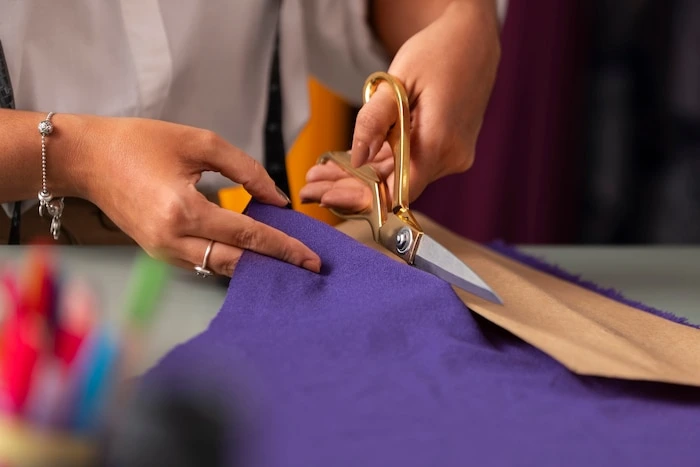
While the exact workflow varies by product type, manufacturing includes:
- Fabric preparation
- Pattern placement and cutting
- Sewing and assembly
- Screen printing (if required)
- Embroidery production (if required)
- Label application
- Garment finishing
Throughout production, teams monitor workmanship, measurements, and construction details to maintain consistency across the order.
Attention is given to areas such as:
- Stitch quality
- Seam construction
- Branding placement
- Measurement accuracy
- Overall garment presentation
The objective is not simply to produce garments on a scale.
The objective is to reproduce the approved sample as accurately as possible across the entire production run.
This stage transforms approved concepts into finished apparel ready for inspection, packaging, and delivery.
STEP 7
QUALITY CONTROL & INSPECTION
Quality Checks Throughout Production
Quality control is not treated as a final task completed before shipping. It is built into the apparel manufacturing process from the beginning.
By checking products at multiple stages, potential issues can be identified early and corrected before they affect larger production runs.
Our inspection process may include:
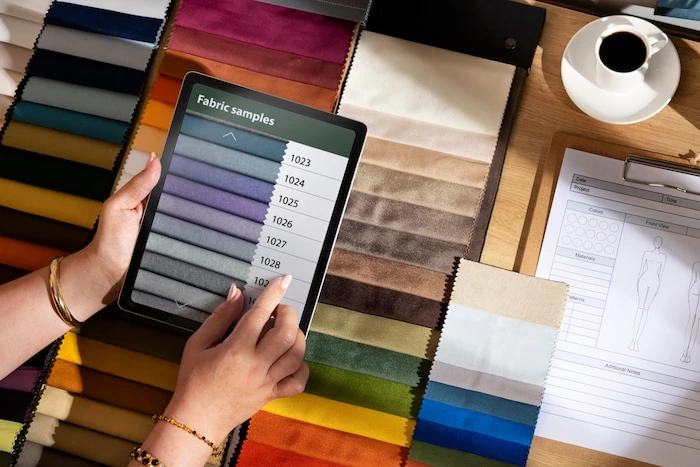
- Fabric inspection
- Measurement verification
- Stitching inspection
- Print quality checks
- Embroidery verification
- Label placement checks
- Finishing reviews
Measurements are compared against approved specifications to help maintain size consistency.
Construction details such as seams, stitching, and garment assembly are reviewed to ensure products match approved samples.
Branding elements are also checked for accuracy, including labels, artwork placement, packaging details, and custom trims.
Before goods move to packing, a final quality review is conducted to verify that products meet agreed production standards.
The goal is simple: deliver garments that accurately reflect the approved product and reduce avoidable production inconsistencies.
STEP 8
PACKAGING & SHIPPING
Preparing Products for Delivery
Once production and inspection are complete, garments move into the final preparation stage.
Products are finished according to the packaging requirements established during development.
Depending on the project, this may include:
- Folding
- Labeling
- Hang tag application
- Polybag packaging
- Size sticker placement
- Carton packing
For private label projects, packaging can be customized to align with retail, wholesale, or ecommerce requirements.
After packing is completed, cartons are organized and prepared for shipment.
For international orders, export documentation and shipping requirements are coordinated before dispatch.
We support brands shipping to multiple markets and work to ensure products leave production organized, properly packed, and ready for delivery.
The result is a smoother transition from manufacturing to inventory, fulfillment, or retail distribution.

PRODUCTION TIMELINE OVERVIEW
Understanding Typical Production Stages
Every apparel project is different.
Product complexity, fabric availability, sample revisions, order quantities, and shipping destinations can all affect timelines.
For that reason, we avoid making unrealistic promises before reviewing project requirements.
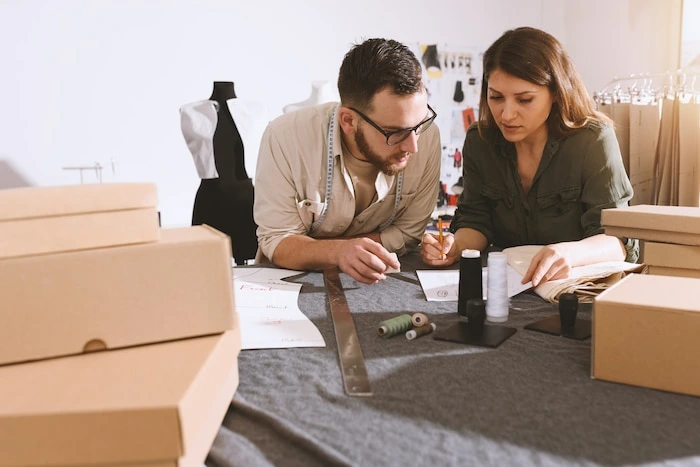
A typical project may follow a timeline like this:
| Stage | Typical Timeline |
|---|---|
| Consultation | 1–3 Business Days |
| Product Development | Project Dependent |
| Fabric Sourcing | Material Dependent |
| Sampling | Project Dependent |
| Sample Approval | Client-Dependent |
| Bulk Manufacturing | Order Size Dependent |
| Quality Inspection | During Production & Pre-Shipment |
| Shipping | Destination-Dependent |
WHY BRANDS CHOOSE OUR PROCESS
A Manufacturing Workflow Built Around Clarity and Consistency
Poor information, hasty approvals, and late quality checks are at the root of many manufacturing problems.
We have addressed those concerns with structured development, clear communication, and defined approval processes.
Transparent Communication
Product Development Support
Quality-Focused Manufacturing
Flexible Manufacturing Support
Consistent Production Standards
Long-Term Scalability
Confidence that dev is structured, communication is transparent, and production is a system built on consistency rather than guesswork.
FREQUENTLY ASKED QUESTIONS – Our Process
How does custom clothing manufacturing work?
Custom apparel production starts from product planning and development. The procedure normally comprises consultation, tech pack evaluation, fabric procurement, sampling, production approval, bulk manufacturing, quality control, and shipment.
What happens after I submit an inquiry?
Once we receive your inquiry, our team will analyze your requirements and discuss product details, quantities, deadlines, and development needs. Once project needs are defined, we continue into product development & planning.
Do I need a tech pack to start?
“No. A tech bundle can speed up development, but it’s not always essential. Got sketches, reference goods, or an early concept? We can help with product development and manufacturing specs.
Can you help with product development?
Yes. In development we assist brands in fine-tuning their designs, measurements, construction details, fabric selection, and manufacturing needs before sampling.
How does fabric sourcing work?
Fabric procurement is dependent on the type of garment, performance requirements, target market, and budget. We help you choose the right materials and trims that fit the product’s use and quality demands.
What types of apparel do you manufacture?
We support a wide range of apparel categories, including:
- Streetwear
- Sportswear
- Activewear
- Hoodies
- Sweatshirts
- T-shirts
- Uniforms
- Swimwear
- Fashion apparel
- Private label collection
Why is sampling important?
Sampling lets marketers see how the fit and fabric, structure, branding, and general look of the product will be before mass manufacture. helps to discover modifications early and minimizes the hazards of production
Can I request sample revisions?
Yes. Revisions are only part of product development. Sample reviews may be added into feedback prior to production approval.
When does bulk production begin?
We don’t start mass production until samples, materials, branding, and product specs are finally approved.
What happens during bulk manufacturing?
Production can include cutting fabric, stitching, printing, embroidery, labeling, finishing, and assembly. Exactly how this is done depends on the garment and the requirements of the project.
What quality checks do you perform?
Quality control may include:
- Fabric inspection
- Measurement verification
- Stitching inspection
- Print and embroidery checks
- Branding verification
- Packaging review
These checks help keep things consistent throughout the whole process.
How do you maintain production consistency?
Consistency is maintained through authorized specifications, controlled sampling, documented production requirements, material verification, and continuing quality checks during manufacture.
Can I customize labels and packaging?
Yes. We support private label production with options such as:
- Woven labels
- Printed labels
- Hang tags
- Custom packaging
- Retail-read presentation
Requirements are validated prior to production.
How long does the manufacturing process take?
Lead times vary based on product complexity, sample modifications, availability of materials, order volume, and ship-to location. The consultation stage refers to a project timetable.
Do you offer international shipping?
Yes. We offer international shipping and export preparation for brands that are selling to other markets throughout the globe.
Can startups work with Ravel Apparel?
Of course. Many brands begin with product development and modest production runs before they scale. Our process is flexible to work with both new and experienced garment enterprises.
What makes your manufacturing process different?
Our procedure is transparent, systematic, and quality controlled at every level with unambiguous approvals. We don’t push items into production; we focus on planning, validation, and consistency.
Start Your Apparel Project with Confidence
A successful product begins with a clear process.
At Ravel Apparel, every project moves through structured development, careful planning, controlled production, and quality-focused inspections before delivery. From concept development and fabric sourcing to sampling and bulk manufacturing, each stage is designed to create consistency and reduce uncertainty.