
Quality Control in Apparel Manufacturing
Quality Control in Apparel Manufacturing
Quality Is Built into the Process, Not Added at the End
Quality control is not considered a final examination before delivery at Ravel Apparel. It is included in every phase of manufacturing, from the procurement of raw materials to the final clothing.
If quality tests are inconsistent, a product may appear flawless in a sample but encounter problems during bulk manufacturing. The final product may be impacted by fabric variations, measuring discrepancies, stitching mistakes, and finishing flaws.
Instead of concentrating on correction, our strategy emphasizes prevention. Potential problems can be found earlier, when they are simpler to resolve, by keeping an eye on items during development and manufacturing.
Every project adheres to a methodical quality assurance procedure intended to increase uniformity, lower manufacturing risks, and guarantee that clothing complies with authorized standards.
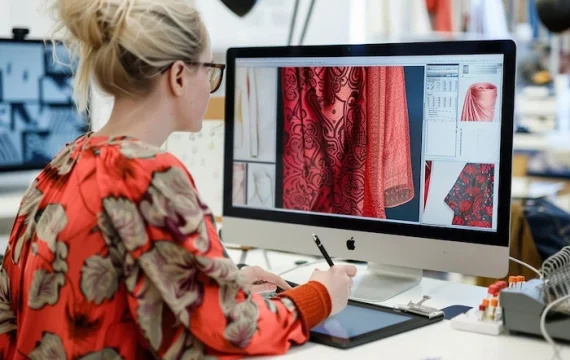
Delivering clothing that satisfies the standards decided upon during development is the goal, regardless of the size of production runs.
Why Quality Control Matters
Quality problems seldom come as a surprise.
Small irregularities that go undiscovered during development or manufacturing are the root cause of most production issues. These problems might impact a whole manufacturing run if they are not addressed.
Among the most prevalent difficulties in the production of clothing are:
- Inconsistent sizing between garments
- Stitching defects and seam issues
- Fabric flaws and color variations
- Branding placement errors
- Printing or embroidery inconsistencies
- Finishing defects
These problems frequently result in product returns, customer complaints, delayed launches, and needless production expenditures for apparel manufacturers.
By establishing checkpoints throughout the manufacturing process, quality control helps lower these risks.
Clothing should be assessed at several stages rather than depending just on one final check. Before production begins, materials must be checked. During manufacturing, construction should be examined. Before packing and shipping, finished goods should be inspected.
This layered method helps guarantee that goods fulfil the standards set during development and sampling and improves consistency between batches.
Finding flaws is not the only aspect of quality. It’s about keeping them from growing into bigger issues.
Our Multi-Stage Quality Control System
Fabric Inspection
Quality starts before clothing is manufactured.
Materials are examined to ensure that components, colors, trimmings, and fabrics match authorized project specifications.
Depending on the product, checks may include:
- Fabric appearance
- Color consistency
- Fabric weight
- Material defects
- Trim verification
Confirming materials early helps reduce avoidable issues later in production.
Pre-Production Checks
Before manufacturing begins, approved samples and production specifications are reviewed.
This stage helps ensure everyone is working from the same reference point.
Pre-production reviews typically focus on:
- Measurements
- Construction details
- Branding placement
- Labels and trims
- Packaging requirements
Clarifying these details before manufacturing helps improve production consistency.
Inline Production Checks
Quality control continues while garments are being produced.
During manufacturing, products may be reviewed for:
- Stitching quality
- Measurement accuracy
- Construction consistency
- Print placement
- Embroidery quality
- Overall workmanship
Monitoring production as garments move through manufacturing allows issues to be identified earlier rather than waiting until production is complete.
Final Inspection
Before products are packed and prepared for shipment, a final review is conducted.
This inspection helps verify that garments align with approved specifications and production requirements.
Areas typically reviewed include:
- Measurements
- Stitching and seams
- Branding elements
- Print and embroidery quality
- Finishing details
- Packaging accuracy
The goal is straightforward: ensure products leaving production reflect the same standards established during development and approval.
Inspection Standards in Apparel Manufacturing
Measured Consistency at Every Stage
Before a garment is put into production, inspection criteria are employed to make sure it satisfies approved specifications.
Inspection is objective at Ravel Apparel. It is predicated on precise product specifications established during sampling and development.
Consistency across sizes, colors, and production batches is maintained by evaluating each garment against predetermined benchmarks.
Important areas for inspection consist of:
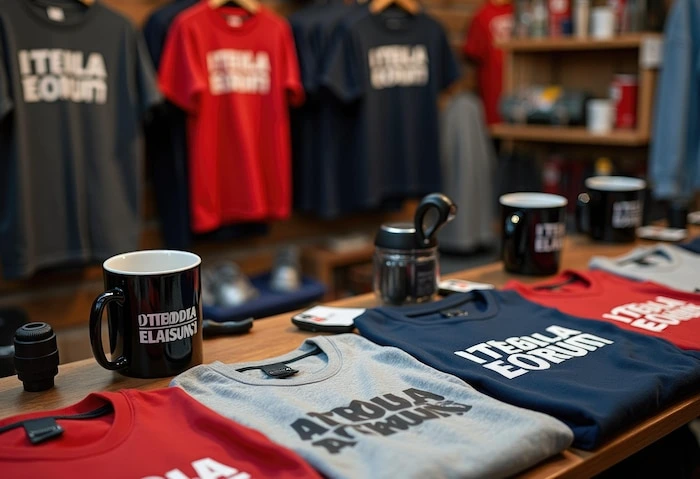
Measurements
Stitching Quality
Printing & Embroidery Checks
Finishing Quality
During bulk production, these inspection criteria help guarantee that every product closely resembles the authorized sample.
Final Quality Approval
Approval Before Shipment, Not After Problems
The final step before clothing is released from manufacture is final quality approval.
Products have previously passed several checks during the production process at this point. All specifications have been correctly followed, according to the final evaluation.
Usually, final approval consists of:
- Confirmation of measurements
- Verification of stitching and construction
- Review of printing and embroidery accuracy
- Checking labels and branding elements
- Assessment of finishing quality
- Packaging verification

If any inconsistencies are identified, they are addressed before shipment is prepared.
No order is released without this final confirmation stage.
This approach ensures that what leaves production aligns with what was approved during sampling and development.
It also helps reduce the risk of defects reaching the customer, improving overall product reliability and brand consistency.
Why Brands Trust Our Quality Control Process
Consistency That Supports Long-Term Production
Brands choose Ravel Apparel not only for manufacturing capability but for production consistency over time.
Quality control plays a central role in maintaining that consistency.
Rather than relying on a single inspection step, our process is integrated across multiple stages of production. This helps reduce variation between samples, production batches, and repeat orders.
Brands value our approach because it provides:
Both established labels expanding their production and new businesses introducing their initial items can benefit from this strategy.
Delivering clothes that are consistent from one order to the next is the key goal.
Structured Oversight
Every stage of production follows defined checkpoints, reducing uncertainty during manufacturing.
Early Issue Detection
Potential problems are identified during development or production, not after completion.
Production Discipline
Clear quality expectations are maintained across all stages of manufacturing.
Specification-Based Evaluation
Products are measured against approved samples and documented requirements, ensuring consistency.
Repeat Order Stability
After a product is certified, subsequent production adheres to the same standards, which eventually reduces variation.
Frequently Asked Questions – Quality Control
How do you ensure consistency across batches?
Consistency is maintained through documented specifications, approved samples, and repeated inspection checkpoints during production. Once a product is finalized, future production follows the same approved standards to reduce variation.
What is checked during fabric inspection?
Fabric inspection focuses on material quality before production begins. This includes checking for defects, verifying color consistency, confirming fabric weight, and ensuring materials match approved requirements.
Do you check measurements during production?
Yes. Measurements are reviewed during production and before final approval. This helps ensure garments remain consistent with approved size charts across all units.
How is stitching quality controlled?
Stitching is inspected during and after production. This includes checking seam strength, alignment, thread consistency, and construction accuracy to ensure durability and clean finishing.
Are printing and embroidery checked?
Yes. All branding elements, such as printing, embroidery, logos, and placements, are reviewed for accuracy, clarity, and consistency against approved samples.
Do you inspect packaging as well?
Yes. Packaging is reviewed during final inspection. This includes folding, labeling, tagging, and carton preparation to ensure products are correctly prepared for shipment or retail.
Can startups use your quality control system?
Yes. Our quality control process is designed for both startups and established brands. Smaller production runs follow the same inspection structure as larger bulk orders.
What makes your quality control process different?
The key differences are structure and consistency. Instead of relying on a single final inspection, quality checks are integrated throughout the entire manufacturing process, from fabric sourcing to final packaging.
How do you check garment quality?
Garment quality is checked through multiple inspection stages. This includes fabric inspection before production, inline checks during manufacturing, and final inspection before shipping. Each garment is evaluated against approved measurements, stitching standards, and branding specifications.
Do you inspect every order?
Yes. Every order goes through structured quality control regardless of size. From small production runs to bulk manufacturing, inspections are applied consistently at multiple stages to maintain product standards.
What happens if defects are found during production?
If an issue is identified, it is reviewed and corrected before the product moves forward. Depending on the stage, this may involve adjustments during production or replacement of affected units. No batch is shipped without meeting quality requirements.
Do you follow specific quality standards?
Yes. Quality control is based on approved product specifications developed during sampling. These include measurement charts, construction details, stitching requirements, and branding placement guidelines. Products are assessed against these agreed standards throughout production.
How do you ensure consistency across batches?
Consistency is maintained through documented specifications, approved samples, and repeated inspection checkpoints during production. Once a product is finalized, future production follows the same approved standards to reduce variation.
What is checked during fabric inspection?
Fabric inspection focuses on material quality before production begins. This includes checking for defects, verifying color consistency, confirming fabric weight, and ensuring materials match approved requirements.
Do you check measurements during production?
Yes. Measurements are reviewed during production and before final approval. This helps ensure garments remain consistent with approved size charts across all units.
Build Products with Consistent Quality
Quality control is what ensures a product performs the same way every time it is produced.
At Ravel Apparel, every garment goes through structured inspection stages designed to reduce defects, improve consistency, and maintain production standards across all orders.