
Sustainable Clothing Manufacturing for Modern Apparel Brands
Sustainable Clothing Manufacturing for Modern Apparel Brands
Sustainability in apparel manufacturing is no longer optional. It is part of how modern brands evaluate long-term production partners.
Ravel Apparel supports brands that want more responsible production practices without compromising on quality, consistency, or scalability. Our approach to sustainable clothing manufacturing is practical. It focuses on better material decisions, controlled production planning, and reduced waste during manufacturing.
We work with fashion brands, private label labels, e-commerce stores, and growing apparel businesses that want to build products with a more conscious production mindset. This includes selecting suitable fabrics, improving production efficiency, and maintaining clarity in sourcing and manufacturing steps.
We do not position sustainability as a marketing claim. Instead, it is integrated into how we plan, develop, and produce garments.

If you are looking for a manufacturing partner that understands ethical apparel production and long-term responsibility, Ravel Apparel provides a structured and transparent production system.
Our Sustainability Approach
Sustainability in apparel manufacturing starts with how decisions are made before production begins. At Ravel Apparel, the focus is on reducing inefficiencies in planning, material selection, and production flow.
We work closely with brands during early development to avoid unnecessary sampling cycles, material waste, and overproduction risks. Each project is reviewed in detail before manufacturing begins so that resources are used more effectively.
Our approach is practical rather than promotional. We focus on improving production outcomes through better planning and controlled execution.
Key areas of focus include:
- Selecting suitable fabrics based on product’s purpose
- Reducing unnecessary sampling revisions
- Improving production accuracy to limit wastage
- Supporting made-to-order or structured bulk planning
- Aligning production quantity with real demand where possible
We also support responsible sourcing conversations with clients. This includes discussing fabric options that balance durability, comfort, and long-term wear performance.
Sustainable apparel manufacturing is not a single step. It is a series of small decisions made across the production cycle. Our role is to help brands make those decisions more efficiently. This approach aligns closely with slow fashion manufacturing principles, where better planning, controlled production, and long-term product value take priority over unnecessary volume.
Material Responsibility
Material selection plays a central role in sustainable clothing manufacturing. The type of fabric used affects durability and production efficiency. Material choice also influences fabric longevity, garment lifecycle, and fabric efficiency during cutting. Durable fabrics often remain in use longer, making durability an important sustainability factor when developing apparel collections.
We support a range of commonly used textiles depending on the product category and brand requirements. The goal is to align material choice with function, not just appearance.
Organic Cotton (where applicable)
Used by brands that prefer natural fiber-based collections. It is suitable for everyday apparel and soft basics where comfort is a priority.
Recycled Fabric Blends (where applicable)
Some production lines may include recycled polyester or blended materials, depending on availability and project requirements. These are typically used in activewear or performance-based garments.
Cotton and Cotton Blends
A widely used option across multiple categories. Cotton blends help balance durability and softness while supporting consistent production quality.
Fleece and French Terry
It is commonly used for hoodies, sweatshirts, and casual wear. These fabrics are selected for long-term wear and structural stability.
Denim and Woven Fabrics
Used in structured garments where durability is required. Fabric weight and weave type are selected based on product design and intended use.
Across all materials, the focus remains on practical performance, production stability, and reducing unnecessary fabric waste during development and manufacturing.
Waste Reduction Practices
Waste reduction in apparel manufacturing is determined at the planning stage, not only during production. At Ravel Apparel, the objective is to structure each order in a way that reduces avoidable material loss and repeated sampling.
Before bulk production begins, patterns, sizing, and fabric requirements are reviewed to ensure accuracy. This helps reduce rework and unnecessary fabric consumption later in the process.
Sampling is also controlled in a structured way. Instead of repeated uncontrolled revisions, samples are refined with clear feedback cycles. This limits fabric wastage and shortens development time.
Key areas of focus include:
- Optimized sampling to reduce repeat sample runs
- Careful pattern review before cutting bulk fabric
- Layout planning to improve fabric utilization
- Aligning production quantities with confirmed orders where possible
- Reducing overproduction through controlled batch planning
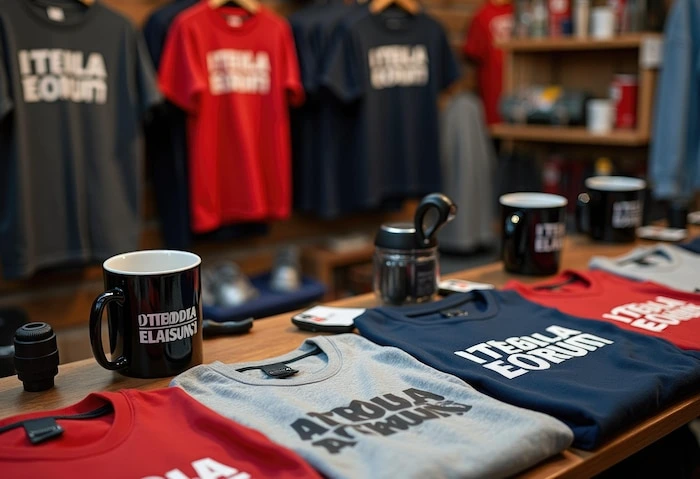
Fabric utilization is an important part of this process. During cutting and production planning, layouts are prepared to ensure material is used efficiently without affecting garment quality or fit.
The goal is not to overstate sustainability outcomes but to make production more efficient and predictable. Small improvements at each stage contribute to reduced waste across the full manufacturing cycle.
Packaging Awareness
Packaging decisions also influence overall production responsibility. Ravel Apparel supports packaging options that are practical for retail, e-commerce, and wholesale distribution.
The focus is on functional packaging that protects garments during transit while avoiding unnecessary complexity or excess material use.
Packaging options typically include:
- Standard folded and sealed garment packing
- Retail-ready branded packaging based on client requirements
- Polybag or protective packaging for bulk shipments
- Export-safe carton packing for international delivery
- Label and tagging integration within the packaging flow

Brands looking for more responsible packaging options may also request recyclable packaging formats where suitable for their product and distribution requirements. Packaging is planned alongside production so that it does not create additional handling steps or material waste. This helps maintain a smoother workflow from manufacturing to delivery.
Brands can choose packaging formats based on their sales channel. E-commerce brands may require individual unit packaging, while wholesalers often prefer bulk carton packing for efficiency.
The aim is to maintain product protection, brand presentation, and logistical efficiency without unnecessary packaging complexity.
Future Goals
Sustainability is an ongoing direction rather than a fixed outcome. Apparel manufacturing continues to evolve, and so do material options, production methods, and supply chain expectations.
Ravel Apparel continues to review better ways to improve efficiency in sourcing, sampling, and production planning. This includes exploring more responsible material options when available and improving internal production workflows to reduce inefficiencies.
The approach remains practical. Not every project requires the same material or production method, so flexibility is important.
Sustainability in apparel is not a single claim or label. It is a continuous improvement process across design, sourcing, and manufacturing decisions.
Future focus areas include:
- Expanding access to more responsible fabric options where supply chains allow
- Improving production accuracy to further reduce sampling waste
- Strengthening planning systems for more efficient manufacturing cycles
- Supporting brands that want to shift towards lower-impact production models
- Increasing transparency in material and production decisions
- Continuing material research to identify practical textile alternatives
- Improving production efficiency across development and manufacturing stages
- Reducing sampling iterations through better planning and communication
- Improving sourcing transparency where supply chain visibility allows
FAQ - Sustainable Clothing Manufacturing
Are your clothes sustainable?
Ravel Apparel follows practical production methods that support more responsible manufacturing. This includes better material planning, controlled sampling, and reduced production waste where possible. Sustainability depends on fabric choice, order type, and production structure, which varies by project.
Do you use organic or eco-friendly fabrics?
We can work with selected sustainable material options such as organic cotton or recycled blends, depending on availability and project requirements. Fabric selection is always based on product suitability, performance, and client specification rather than a single fixed material approach.
How do you reduce waste in production?
Waste reduction is managed through planning and process control. This includes accurate pattern development, structured sampling, efficient fabric layout planning, and aligning production quantities with confirmed demand wherever possible.
Can I choose my own fabric?
Yes. Brands can request specific fabrics or work with recommended options. We also support fabric sourcing based on product category, performance needs, and budget requirements.
What is sustainable clothing manufacturing?
Sustainable clothing manufacturing refers to production practices that aim to reduce environmental impact through better material selection, improved efficiency, and reduced waste during sampling and bulk production.
Do you offer recyclable packaging?
We support standard and export packaging options. Where requested, brands can opt for simpler, recyclable, or reduced-material packaging formats depending on their distribution needs.
What are recycled fabric blends?
Recycled fabric blends are fabric mixtures of recycled fibers and other materials to make fabrics for garment production, while also encouraging material reuse
Can sustainable fabrics be used for private label apparel?
Yes. Private label garments can be manufactured with organic cotton, recycled blends and other fabric options based on product requirements and availability.
Does fabric durability affect sustainability?
Yes. Long-lasting clothing is often consumed over a longer period (i.e., a longer product life cycle) and is less often replaced.
How can brands reduce overproduction?
Brands may reduce overproduction by precise forecasting, smart planning of batch sizes, and making quantities that are more in line with what consumers want.
Why is production planning important for sustainability?
Production planning helps reduce material waste, unnecessary sampling, and overproduction. Better planning often leads to more efficient manufacturing outcomes.
Do you work with startups on sustainable apparel?
Yes. Startups are supported with flexible production options, including low MOQ development, fabric guidance, and structured sampling to help reduce unnecessary production waste.
Is small batch production more sustainable?
In many cases, smaller or controlled batch production helps reduce overproduction risk. However, sustainability also depends on fabric choice, demand planning, and how efficiently production is structured.
Sustainability in apparel manufacturing is shaped by decisions made long before production begins.
Start your sustainable apparel production journey with a manufacturing partner that focuses on long-term consistency and practical responsibility.