Custom Screen Printing Services
Custom Screen Printing Services for Apparel Brands & Bulk Orders
Your Trusted Screen Printing Manufacturing Partner
Ravel Apparel provides screen printing services for streetwear labels, promotional companies, corporate clients, event merch buyers, sportswear brands, and private label businesses that need bulk printing done right the first time. We run print production through the same industrial system we use for garment manufacturing, so print quality, color accuracy, and turnaround stay consistent whether you're ordering 100 units or 10,000.
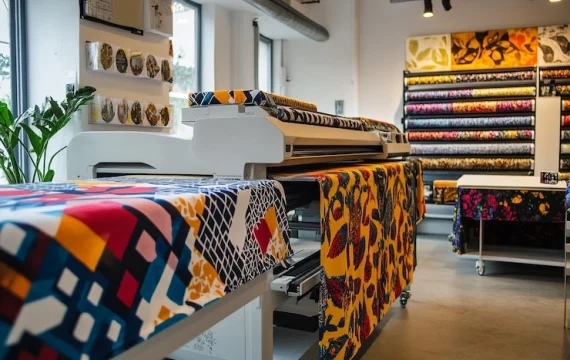
Our workflow is built to scale with a brand, not just fill a single order. Startups get flexible MOQs and fast samples; larger clients get the batch consistency that repeat printing demands. As one of the custom screen printing services brands return to reorders, we treat every print run – small or large – with the same production standard.
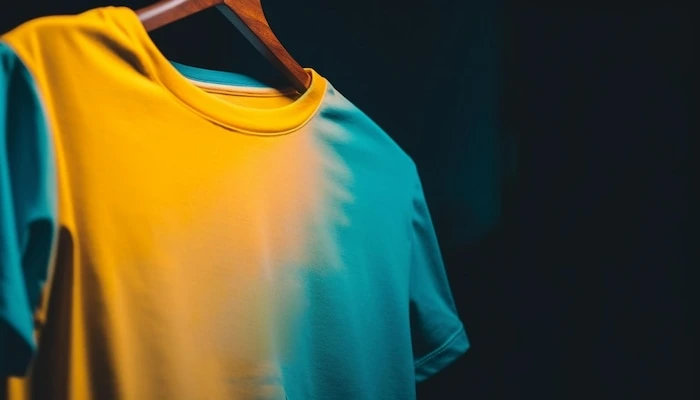
Complete Custom Screen Printing Solutions
Screen printing covers more ground than most people expect. Here's what we manage under one roof.
CMYK / Process Printing
Full-color prints are built through layered color separations for detailed artwork.
Halftone Printing
Dot-pattern shading is used to create gradients and depth without full CMYK complexity.
Puff Ink Printing
Raised, textured ink that adds a dimensional feel to logos and graphics.
High-Density Printing
Thick, glossy ink application for bold, standout branding.
Glow-in-the-Dark / Specialty Inks
Novelty and specialty finish for event merch and streetwear drops.
Large-Scale Bulk Production
Production systems built to hold quality steady across thousands of units.
Spot Color Screen Printing
Clean, solid-color prints suited to logos and simple graphics.
Fabric Compatibility Testing
Every print evaluated against the target fabric before a full run begins, so ink adhesion and color hold up the way they're supposed to.
As silk screen printing services and bulk screen printing services go, this is the range that lets a single order include a simple one-color logo run and high-density streetwear drop side by side.
Apparel We Customize with Screen Printing
T-Shirts
The most common screen printing product, and where color accuracy matters most.
Hoodies & Sweatshirts
Heavier fabric that holds detailed prints well, popular for streetwear and merch drops.
Tracksuits
Full matching sets printed with consistent branding across pieces.
Sportswear Apparel
Printed with inks suited to stretch fabrics and repeated washing.
Uniforms & Workwear
Durable prints are built to survive daily wear and frequent laundering.
Promotional Merchandise
Logos and campaign graphics printed for corporate and event giveaways.
Tote Bags & Accessories
Canvas and fabric goods printed as an extension of a brand's main apparel line.
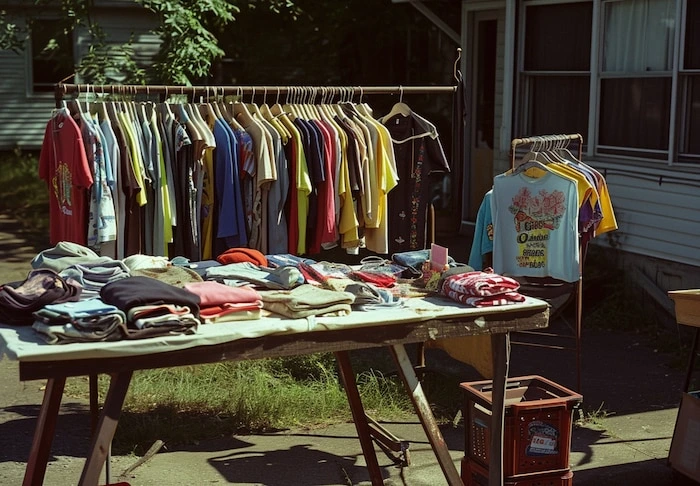
Whether you’re searching for screen printing services online for a small merch drop or custom screen printing services for an ongoing wholesale account, we print across this full range under one system.
How Our Screen Printing Process Works
Artwork Preparation & Separation
Your artwork is prepped and separated by color, so each layer prints cleanly.
Screen Creation (Stencils)
Stencils are built for each color layer in the design.
Ink Selection & Color Matching
Inks are chosen and matched to your exact brand colors before anything gets printed at volume.
Evaluate Print Approval
A test print is run and approved before full production begins, this is where color and placement get confirmed, not guessed.
Bulk Production Printing
Approved designs move into full-run printing under consistent, controlled conditions.
Curing & Heat Treatment
Every print is properly cured, which is what determines how well it survives washing.
Quality Inspection
Finished pieces are checked for print placement, color accuracy, and ink coverage.
Folding & Packaging
Finished products are folded and packed according to your retail, wholesale, or fulfillment needs.
Advanced Screen Printing Customization
Logo Printing
Clean, accurate logo reproduction across any garment type.
Full Front/Back Prints
Large-format prints covering the full front or back panel.
Sleeve Printing
Branding placed on sleeves for a more detailed, layered look.
Oversized Streetwear Prints
Large-scale graphics are built for streetwear silhouettes and drop culture.
Multi-Color Layering
Multiple ink layers are stacked for complex, detailed designs.
Gradient Effects
Smooth color transitions are achieved through halftone and process techniques.
Tagless Printing Options
Printed labels instead of sewn tags, for a cleaner interior finish.
As bespoke screen printing services go, this is where a design gets built around a brand’s specific vision instead of fitting into a generic template.
Best Fabrics for Screen Printing
| Fabric | Ink Absorption | Notes |
| Cotton Fabrics | Excellent | The most reliable fabric for crisp, durable prints |
| Cotton-Poly Blends | Good | Balances print quality with the durability of a blend |
| Polyester | Require sportswear-grade inks | Standard inks can bleed; specialty inks needed for a clean result |
| Fleece Fabrics | Good | Holds detailed prints well, common for hoodies |
| Canvas Materials | Excellent | Thick weaves hold ink well, ideal for totes and heavier goods |
Fabric choice affects three things: how well ink absorbs into the material, how the print holds up after repeated washing, and whether the fabric is even suited to the ink type in the first place. Polyester in particular needs the right ink chemistry — printing it like cotton is one of the most common ways a print job goes wrong.
Screen Printing vs Digital & Sublimation Printing
| Factor | Screen Printing | Digital / Sublimation |
| Durability | Exceptionally durable, holds up well over repeated washing | Can fade faster depending on fabric and ink type |
| Cost at Scale | Highly cost-efficient for bulk orders | More cost-efficient for small, highly detailed runs |
| Best Use Case | Bulk orders, bold graphics, solid colors | Small runs, photo-realistic or highly detailed designs |
| Fabric Compatibility | Best on cotton, cotton-poly, canvas | Best on polyester and synthetic blends |
Screen printing wins on durability and bulk cost-efficiency, it’s the better call for large orders and designs that need to survive years of washing. Digital and sublimation printing tend to win for small runs with highly detailed, photo-realistic artwork, where screen printing’s setup cost doesn’t pay off at low volume.
Wholesale Pricing Structure
Per-unit cost drops as order volume increases since setup costs spread across more pieces.
Large Batch Production Capability
Systems built to hold color and placement consistent across thousands of units, not just a handful of samples.
Private Label Support
Screen printing is integrated into full private label garment production, not offered as a standalone add-on.
Merch Fulfillment for Brands
Printed product packed and prepared for direct fulfillment to customers or retail partners.
Startup-Friendly MOQ Options
Lower minimums for brands evaluating a new design before committing to a bigger run.
How Bulk Pricing Actually Works
Screen printing has a fixed setup cost per design, building the stencils and dialing in the ink and color match makes the same effort whether you're printing 50 units or 5,000. That fixed cost gets divided across the total run, which is why the price per unit drops as volume goes up. A small run absorbs the full setup cost across a handful of pieces; a bulk run spreads that same cost thin enough that it barely shows up in the final per-unit price. This is also why screen printing tends to beat digital printing on cost once volume climbs, digital methods don't have the same setup cost, but they don't get meaningfully cheaper per unit at scale either.
Ink Technology: Plastisol vs Water-Based Inks
The two most common screen printing inks behave differently once they're on fabric. Plastisol ink sits on top of the fabric rather than soaking into it, which gives it strong color vibrancy and durability, though it leaves a slightly heavier hand-feel on the garment. Water-based ink soaks into the fibers instead of sitting on the surface, producing a softer, more breathable print that many streetwear and fashion brands prefer for a more natural feel. Durability differs too - plastisol holds color longer under repeated washing, while water-based ink can fade a bit faster but wins on comfort and breathability. Which one makes sense depends on the design, the fabric, and how the brand wants the finished print to feel against the skin.
Screen Printing for Multiple Industries
Streetwear Brands
Bold, oversized prints built around drop culture and brand identity.
Corporate Companies
Clean, professional branding for uniforms and corporate merchandise.
Sports Teams
Durable printing that holds up to training, washing, and repeated wear.
Event Merch Companies
Fast turnaround for time-sensitive events and campaign merchandise.
Ecommerce Brands
Reliable reorder consistency for online-first apparel businesses.
Promotional Agencies
Bulk production for client campaigns and giveaway programs.
Why Screen Printing Still Drives Streetwear Culture
Screen printing has stayed central to streetwear for a reason that goes beyond cost, the ink sits on the fabric with a texture and vibrancy that other printing methods don't fully replicate, and that physical presence is part of what makes a graphic tee feel authentic rather than mass-produced. Oversized prints, bold color blocking, and high-density ink builds have become a visual signature of the category, and streetwear brands lean on that texture as much as the design itself to signal authenticity. For brand building identity around merch drops, the printing method isn't just a production detail, it's part of how the product reads to the customer holding it.
Why Brands Trust Ravel Apparel for Screen Printing
High-Resolution Print Quality
Consistent Color Accuracy
Industrial-Scale Production
Fast Turnaround Time
Low MOQ Flexibility
Full Apparel Manufacturing Integration
Export-Ready Operations
Screen Printing Services FAQs
What is screen printing?
A printing method where ink is pushed through a mesh stencil onto fabric, one color layer at a time, producing durable, vibrant prints.
What fabrics are best for screen printing?
Cotton and cotton-poly blends absorb ink best. Polyester needs sportswear-grade inks to avoid bleeding, and canvas holds detailed prints well for bags and accessories.
What is the MOQ for screen printing services?
MOQs vary by design complexity and ink type, smaller test runs are available before scaling into bulk production.
Do you offer bulk screen printing?
Yes. Bulk screen printing services are built around consistent color and placement across large production runs, with pricing that improves as volume increases.
Is screen printing durable?
Yes, properly cured screen prints, especially with plastisol ink, hold up well through repeated washing and daily wear.
What is silk screen printing?
Another name for the same process, ink pushed through a fine mesh screen (historically silk) to transfer a design onto fabric.
Can you print logos on T-shirts and hoodies?
Yes, across T-shirts, hoodies, sweatshirts, tracksuits, and most standard apparel categories.
Do you ship internationally?
Yes, with export-ready packaging and logistics support for international orders.
Start Your Custom Screen Printing Project Today
Whether you're launching a streetwear drop, fulfilling corporate merch, or building an ongoing private label printing partnership, Ravel Apparel provides the production structure to get there - sharp print quality, consistent color, and bulk manufacturing that scales with your brand.